
# MASTER PROMPT: CREATE A PROFESSIONAL FITNESS HOMEPAGE FOR BODYLOGIC.COM ## 1. YOUR ROLE Act as a senior website designer, UI/UX specialist, WordPress developer, SEO expert, fitness content strategist, and front-end developer. I own a website called **BodyLogic.com**, built on WordPress using the Astra theme. Website URL: https://bodylogic.com/ My website is currently using an existing
Uncategorized

5 High-Protein Breakfasts You Can Prep in Under 10 Minutes
1. Why Protein First Thing in the Morning Matters Starting your day with a high-carb, low-protein meal (like sugary cereal, pastries, or plain toast) causes a rapid spike in blood sugar followed by a sharp crash. Incorporating 25g to 40g of protein at breakfast stabilizes blood glucose, keeps hunger hormones low for hours, and prevents
5 High-Protein Breakfasts You Can Prep in Under 10 Minutes Read More »
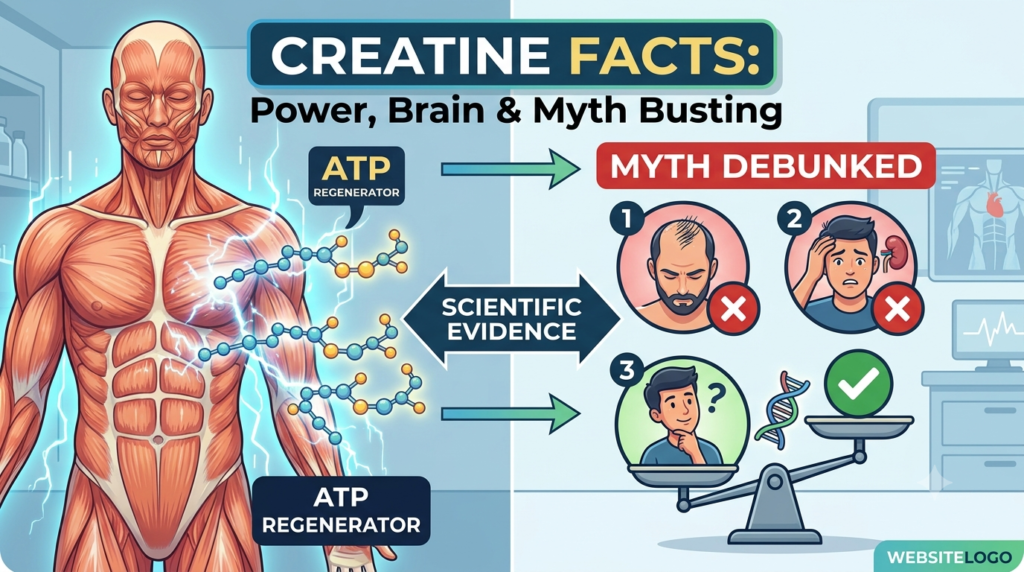
Creatine for Beginners: Muscle Gains, Brain Health, and Common Myths
1. How Creatine Works in the Body Creatine is a compound stored naturally in your skeletal muscle tissue as phosphocreatine. During short bursts of intense exercise (lifting heavy weights, sprinting), your body relies on Adenosine Triphosphate (ATP) for fast energy. ATP loses a phosphate molecule and becomes inactive ADP. Stored creatine donates a phosphate back
Creatine for Beginners: Muscle Gains, Brain Health, and Common Myths Read More »
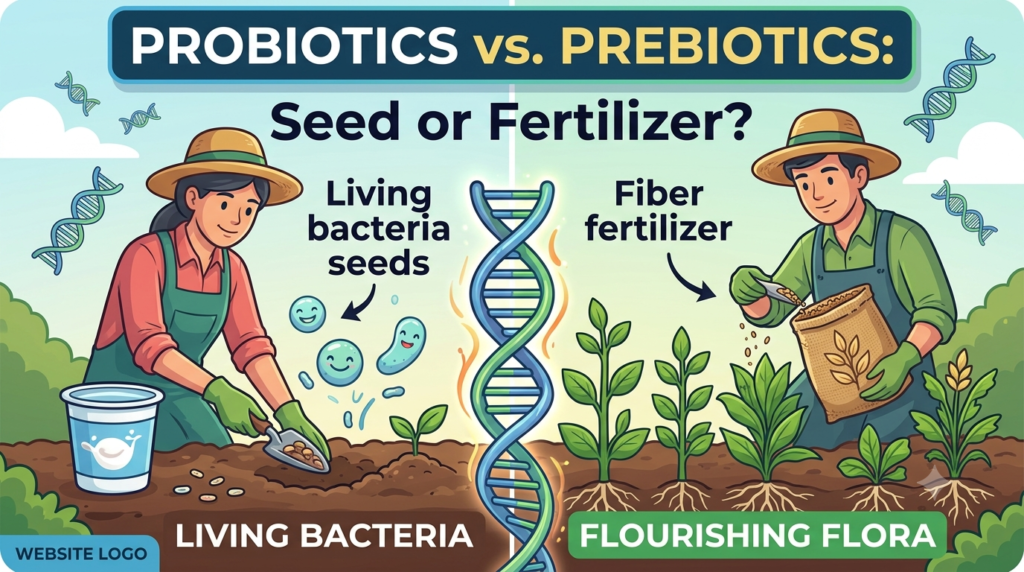
Probiotics vs. Prebiotics: What’s the Difference and Do You Need Both?
1. Understanding the Gut Ecosystem Your lower digestive tract hosts trillions of micro-organisms collectively known as the gut microbiome. Maintaining a healthy balance between beneficial and harmful bacteria directly influences immune system strength, digestion, nutrient absorption, and mental clarity via the gut-brain axis. 2. Probiotics (The Good Bacteria) 3. Prebiotics (The Fuel) 4. The Power
Probiotics vs. Prebiotics: What’s the Difference and Do You Need Both? Read More »

The Protein Window Myth: Do You Need a Shake Right After Working Out?
1. Where the Myth Came From The idea of the “Anabolic Window” claimed that you had a strict 30-to-45-minute post-workout window to consume protein. Beyond that, it was believed your muscles would miss out on optimal growth and repair (Muscle Protein Synthesis). 2. What Modern Exercise Physiology Shows 3. How to Structure Your Daily Protein
The Protein Window Myth: Do You Need a Shake Right After Working Out? Read More »

Keto vs. Low-Carb: What’s the Real Difference for Fat Loss?
1. Deep Dive: How They Differ in Your Body 2. What the Science Says About Fat Loss The Energy Balance Rule: Meta-analyses comparing Keto and traditional Low-Carb diets show that when protein and total calorie intake are equal, fat loss rates are virtually identical. Initial Water Weight Loss: Keto causes rapid weight drops in Week
Keto vs. Low-Carb: What’s the Real Difference for Fat Loss? Read More »
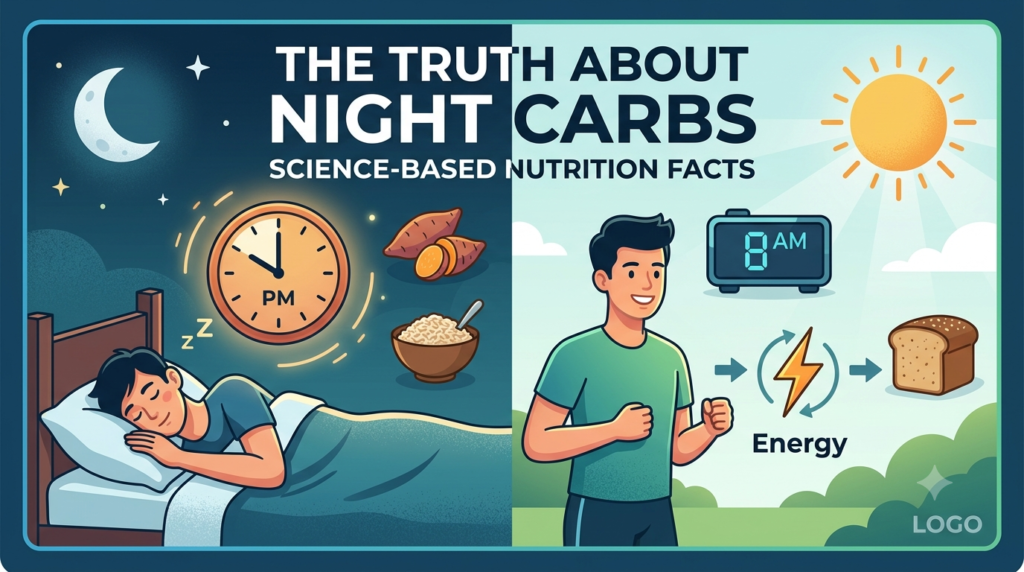
Myth Debunked: Does Eating Carbs at Night Cause Weight Gain?
The Myth: “Don’t eat carbs after 6:00 PM—they immediately turn into body fat while you sleep.” The Reality Your body doesn’t turn off its metabolism at night, nor does it reset its calorie counter at midnight. Weight loss or gain depends on total daily calories, not the clock. Surprising Benefits of Evening Carbs Bottom Line: Focus on overall
Myth Debunked: Does Eating Carbs at Night Cause Weight Gain? Read More »